August 19, 2026
Maintaining a comfortable and efficient home environment hinges significantly on the performance of your HVAC system. Regular servicing not only ensures optimal operation but also extends the lifespan of your HVAC unit. In this article, we delve into the top reasons why scheduling a routine HVAC service today is a wise decision for any homeowner. Given the broad scope of this industry, it's notable that there are around 120,000 businesses in the heating and air-conditioning contractors industry in the United States, according to IBISWorld. This underscores the importance and widespread availability of professional HVAC services, making it feasible for homeowners to prioritize regular system checks.
Enhanced System Efficiency
Regular servicing can lead to a noticeable reduction in your energy bills by maintaining system efficiency. When an HVAC system operates efficiently, it consumes less energy, which directly translates to cost savings. Technicians identify and rectify inefficiencies, allowing the system to use power more effectively. This not only benefits the homeowner financially but also supports environmental sustainability by reducing energy usage. The reduced environmental footprint further elevates the significance of routine maintenance.
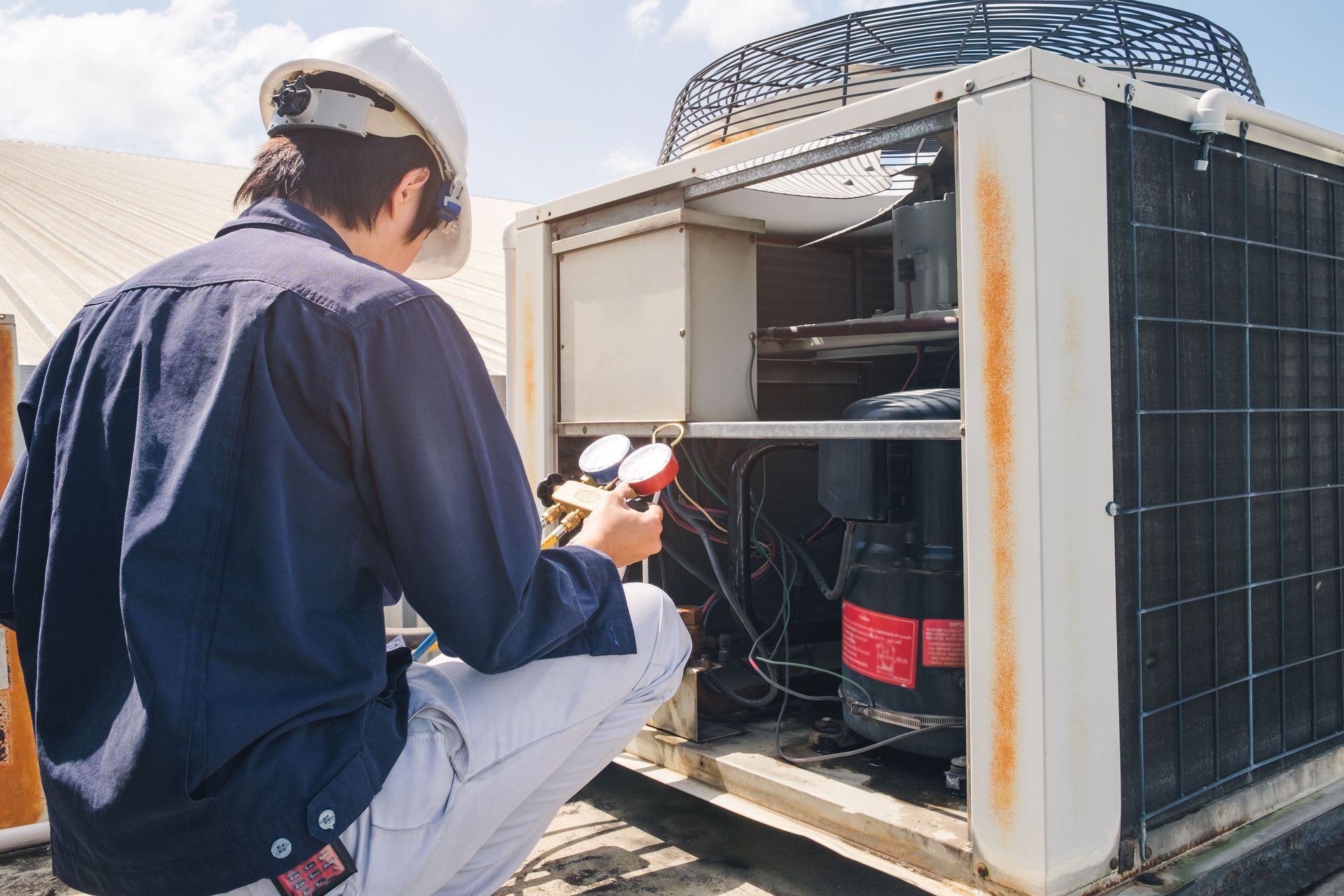
During routine servicing, technicians endeavor to optimize the performance of the HVAC system. This involves thorough checks and necessary adjustments to ensure all components operate in harmony. The alignment of system parts results in smoother operational performance, minimizing any strain on the HVAC unit. By achieving optimal performance, the likelihood of system breakdowns decreases, ensuring persistent comfort in the home environment. This process also helps in identifying minor issues before they evolve into major, costly problems.
Routine maintenance acts as a preventative measure against excessive wear and tear on the system's components. Technicians clean and lubricate moving parts, which reduces friction and subsequent degradation. This proactive approach directly contributes to the longevity of the HVAC unit. By minimizing wear, homeowners are less likely to encounter the inconvenience and expense of frequent repairs. The extended component lifespan achieved through regular servicing supports the overall health of the system.
Clean filters are essential for efficient airflow and maintaining indoor air quality. During routine service, technicians replace or clean the HVAC filters to ensure they are free from dust and debris. This step is crucial in preventing blockages that impede airflow, allowing the system to maintain optimal operating conditions. By ensuring clean filters, indoor air quality improves as allergens and pollutants are effectively trapped. Consistently replaced filters contribute to the overall efficiency and reliability of the system.
Prolonged Equipment Lifespan
One major advantage of routine HVAC servicing is the early detection of issues that could escalate into significant problems. Trained technicians can identify potential threats before they become major system failures. Addressing these issues early not only prolongs the lifespan of the HVAC unit but also minimizes repair costs. By resolving these issues on time, homeowners ensure their system remains in optimal condition for longer periods. Early detection is crucial in safeguarding the investment made in the HVAC system.
Regular maintenance aids in reducing the frequency of repairs needed for the HVAC system. During service checks, technicians address minor problems that, if left unchecked, could lead to system breakdowns. This preventive approach diminishes the occurrence of unexpected, costly repair events. By maintaining a routine service schedule, the stability and reliability of the HVAC unit are enhanced. Homeowners benefit from peace of mind, knowing their system is less likely to require emergency repairs.
Routine maintenance acts as a safeguard against major system failures, ensuring the longevity of the HVAC unit. Technicians perform comprehensive inspections to identify areas of concern before they lead to total system shutdowns. By addressing potential failures in advance, routine servicing helps avert disruptive and costly emergencies. This proactive approach confirms the system's readiness to deliver consistent performance across different seasons, regardless of external weather conditions. Homeowners, thus, invest in assurance and stability regarding their heating and cooling systems.
Extending the lifespan of an existing HVAC system defers the expensive need for a replacement. Routine service maximizes the operational timeline of the HVAC unit, delaying the financial burden of purchasing new equipment. Regular maintenance not only saves on immediate repair costs but also postpones the substantial investment involved in acquiring a new system. By prolonging the current unit’s lifespan, homeowners allocate resources more effectively. This aspect of cost savings is a significant incentive for prioritizing routine maintenance.
Improved Indoor Air Quality
HVAC professionals employ air purification techniques to enhance indoor air quality during routine servicing. This includes cleaning and upgrading filtration systems to efficiently remove contaminants. Enhanced filtration is essential in capturing dust, allergens, and airborne pathogens, ensuring cleaner and healthier indoor air. By improving air purification, HVAC servicing contributes significantly to reducing respiratory health risks associated with poor air quality. Such improvements benefit the health and well-being of all household members.
Regular ductwork cleaning is an integral part of maintaining improved indoor air quality. Accumulated dust, mold, and allergens in duct systems can circulate throughout the home, exacerbating health issues. Technicians help mitigate these risks by thoroughly cleaning and maintaining ducts during service visits. Clean ducts contribute to more efficient HVAC system operation and better overall air circulation. By maintaining clear ductwork, homeowners improve the airflow and purity of indoor environments.
Routine HVAC servicing includes identifying and mitigating mold and bacterial growth within the system. Mold and bacteria can propagate in HVAC systems due to moisture buildup, posing health hazards and decreasing air quality. Technicians employ cleaning techniques to neutralize these threats, ensuring a healthier indoor environment. By addressing microbial growth, homeowners protect their family’s health and enhance indoor air quality. These measures are vital in creating a safe and comfortable living space.
Safety Assurance
Checking and maintaining gas connections and heat exchangers prevents harmful gas leaks, such as carbon monoxide. Regular servicing allows technicians to ensure that these components function safely and efficiently. Homeowners benefit from the added safety of knowing that their HVAC system poses minimal risk of carbon monoxide leakage. Regular checks provide essential peace of mind, safeguarding family members from serious health hazards associated with gas leaks. Technicians can also recommend additional safety measures, such as installing carbon monoxide detectors for enhanced protection.
HVAC servicing includes inspecting electrical connections and components to reduce the risk of fire hazards. Loose or faulty electrical parts can lead to unnecessary energy consumption or, worse, dangerous short circuits. By ensuring electrical safety, technicians prevent potential fire-related emergencies and enhance the overall safety of the HVAC system. This proactive measure is especially critical in older units that may have dated wiring. Trustworthy inspection of electrical elements plays a crucial role in preserving home safety and system reliability.
Routine servicing includes thorough inspection of gas lines and vents to ensure they remain clear and in good working condition. Obstructed or damaged gas lines and vents pose serious safety threats, including gas leaks and inadequate ventilation. Technicians address any identified issues, restoring proper line integrity and vent function. This vigilance prevents potential hazards, protecting both the system and the household. Ensuring clear and operational gas lines and vents is an indispensable aspect of comprehensive HVAC maintenance.
Investing in routine
HVAC service is an essential aspect of home maintenance that yields substantial long-term benefits. From improved efficiency and prolonged lifespan to enhanced air quality and peace of mind, the advantages are considerable. The cumulative impact of timely and regular HVAC servicing cannot be overstated — it translates to comfort, safety, and financial savings across the board. Don't wait until a major issue arises; schedule a routine HVAC service today to ensure comfort and safety for your home. Contact Phoenix HVAC today.